Born after the Arab Spring: 37 million Egyptians have no memory of 2011
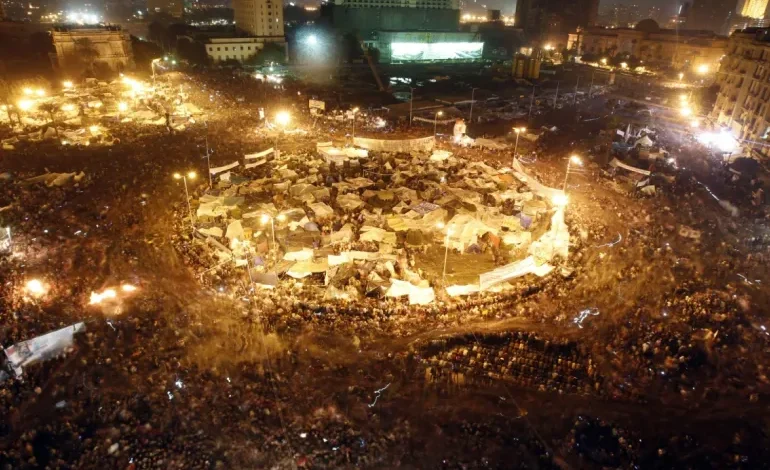
Fifteen years have passed since the Arab Spring protests erupted in Egypt.
Inspired by the successful uprising in Tunisia just 11 days earlier, when demonstrators succeeded in bringing down the country’s president, Zine El Abidine Ben Ali, the Egyptian people wanted freedom and their voices to be heard.
For 18 days, millions took to the streets to protest, driven by high unemployment, poverty and political repression, and demanding the departure of longtime President Hosni Mubarak.
With a median age of approximately 24 years, Egypt ranks among the younger countries globally, with roughly 37 million people, or 31 percent of the population, under the age of 15. For those children, the Arab Spring was a historical event shared through the memories of the older generation.
Egypt’s young population
In 2011, Egypt’s population was 83 million with a 12 percent unemployment rate and a gross domestic product (GDP) per capita (in current USD) of $2,590, according to the World Bank. One US dollar bought 5.8 Egyptian pounds.
Fifteen years later, Egypt has added roughly 37 million people, bringing its population to nearly 120 million. The country now has an unemployment rate of 6.4 percent and a GDP per capita of $3,339. One US dollar now buys about 47 Egyptian pounds, weakening purchasing power for many citizens.
Egypt has a young population, with more than half of its citizens under the age of 24, about seven years younger than the global average of 31.
According to the Economic Research Forum, Egypt needs to create 1.5 million jobs each year. However, over the past two decades, it has managed to create only 600,000 jobs annually.