World markets jolted, euro softens, as Trump vows tariffs on Europe over Greenland
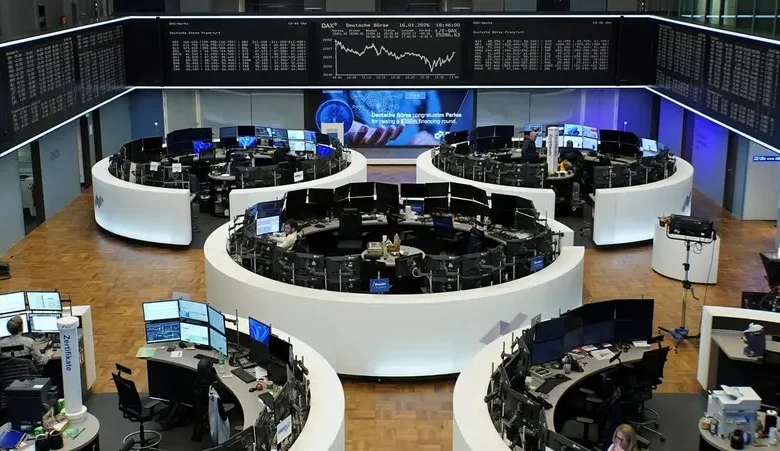
Global markets are facing volatility after President Donald Trump vowed to slap tariffs on eight European nations until the US is allowed to buy Greenland, news that pushed the euro to a seven-week low in late Sunday trading.
Trump said he would impose an additional 10 percent import tariff from February 1 on goods from Denmark, Norway, Sweden, France, Germany, the Netherlands, Finland and Britain, which will rise to 25 percent on June 1 if no deal is reached.
Major European Union states decried the tariff threats over Greenland as blackmail on Sunday. France proposed responding with a range of previously untested economic countermeasures.
As early trade kicked off in Asia-Pacific, the euro fell 0.2 percent to around $1.1572, its lowest since November. Sterling also dipped, while the yen firmed against the dollar.
“Hopes that the tariff situation has calmed down for this year have been dashed for now – and we find ourselves in the same situation as last spring,” said Berenberg chief economist Holger Schmieding.
Trump’s sweeping “Liberation Day” tariffs in April 2025 sent shockwaves through markets. Investors then largely looked past US trade threats in the second half of the year, viewing them as noise and responding with relief as Trump made deals with Britain, the EU and others.
While that lull might be over, market moves on Monday could be dampened by the experience that investor sentiment had been more resilient than expected in 2025 and global economic growth stayed on track.
US markets are closed on Monday for Martin Luther King Jr. Day, which means a delayed reaction on Wall Street.
The implications for the dollar were less clear. It remains a safe haven, but could also feel the impact of Washington being at the center of geopolitical ruptures, as it did last April.
Bitcoin, a liquid proxy for risk that is open to trade at the weekend, was steady, last trading at $95,330.
Capital Economics said countries most exposed to increased US tariffs were the UK and Germany, estimating that a 10 percent tariff could reduce GDP in those economies by around 0.1 percent, while a 25 percent tariff could knock 0.2–0.3 percent off output.
European stocks are near record highs. Germany’s DAX and London’s FTSE index are up more than 3 percent this month, outperforming the S&P 500, which is up 1.3 percent.
European defense shares will likely continue to benefit from geopolitical tensions. Defense stocks have jumped almost 15 percent this month, as the US seizure of Venezuela’s Nicolas Maduro fuelled concerns about Greenland.
Denmark’s closely managed crown will also likely be in focus. It has weakened, but rate differentials are a major factor and it remains close to the central rate at which it is pegged to the euro, and not far from six-year lows.
“The US-EU trade war is back on,” said Tina Fordham, geopolitical strategist and founder of Fordham Global Foresight.
Trump’s latest move came as top officials from the EU and South American bloc Mercosur signed a free trade agreement.